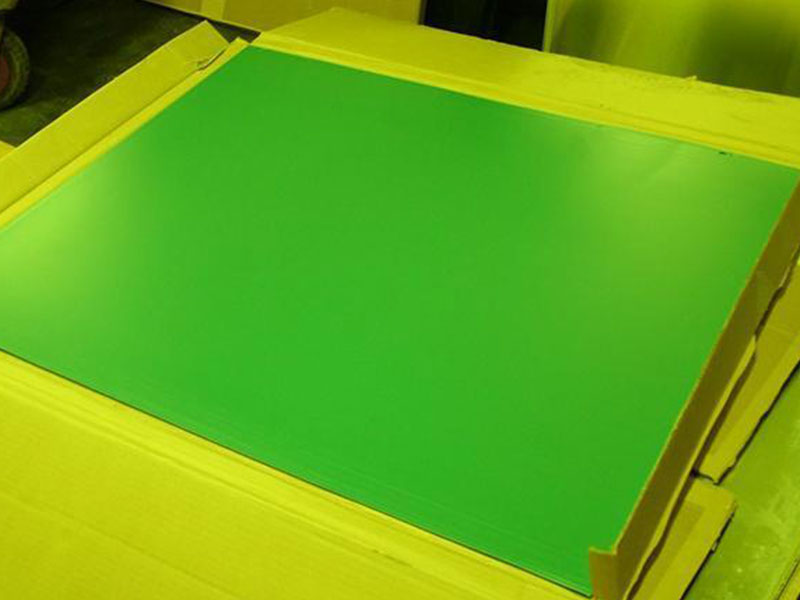
Offset Plates CTP Thermal Plates Size 605x745x0.30mm CTP Plate
Offset printing often gets described as a "mature" technology, but the truth is that modern offset lives or dies by one component that keeps evolving: the plate. An Offset Plates CTP Thermal Plates Size 605x745x0.30mm CTP Plate is not just a consumable sheet of aluminum-it is the precision interface between digital page data and ink-on-paper reality. From a distinctive viewpoint, think of it as a high-resolution, heat-addressable memory surface: it stores an image through controlled chemical contrast, then releases that image repeatedly under pressure, moisture, ink, and speed.
What a 605×745×0.30 mm thermal CTP plate is really designed to do
A thermal CTP plate is built to answer two competing demands. It must be sensitive enough to "listen" to a laser and form an image cleanly, yet rugged enough to survive thousands (often hundreds of thousands) of impressions while maintaining dot fidelity. The 605×745 mm format is widely used for mid-to-large offset presses, balancing imposition efficiency with manageable handling. The 0.30 mm thickness sits in a practical sweet spot: stiff enough for stable mounting and consistent contact on-cylinder, while still allowing dependable bending, clamping, and fast plate changes.
Thermal imaging (typically around 830 nm) gives the plate a more stable working environment than many visible-light systems. It is less influenced by ambient light, and the imaging mechanism tends to produce crisp, repeatable results-especially valuable for packaging graphics, fine text, and long runs where plate stability matters as much as initial sharpness.
Functions that matter in real pressrooms
From the press operator's perspective, this plate performs several "hidden" functions simultaneously.
It translates heat into image contrast. The thermal laser creates a controlled transformation in the coating, defining oleophilic (ink-loving) image areas and hydrophilic (water-loving) non-image areas after processing. That contrast is the foundation of clean ink-water balance and stable color.
It stabilizes dots under mechanical stress. During printing, plates face repeated compressive forces, micro-abrasion, fountain solution chemistry, and ink tack. A properly grained and anodized aluminum substrate anchors the coating and helps resist wear, which supports consistent tone values across the run.
It speeds up production without sacrificing control. Thermal plates are often chosen for their predictable imaging latitude, lower risk of fogging, and reliable performance when workflows run across shifts and multiple operators.
Typical applications for 605×745×0.30 mm thermal CTP plates
This plate size is commonly selected where both productivity and print fidelity are non-negotiable.
Commercial printing benefits include brochures, catalogs, books, manuals, and premium marketing collateral where smooth screens and sharp type are essential.
Packaging and label work values plate durability and dot stability, particularly when printing dense solids, brand colors, or fine linework.
Newspaper and short-run work can also use thermal CTP plates when consistent repeatability and robust workflow integration are prioritized.
parameters (typical range, may vary by plate model)
Below is a concise parameter snapshot that buyers and prepress teams look for when matching plates to workflow.
Plate type: Thermal CTP offset plate (positive-working, developer processing typical)
Plate size: 605 × 745 mm
Plate thickness: 0.30 mm
Substrate: Electrochemically grained and anodized aluminum
Recommended imaging wavelength: 830 nm thermal laser
Spectral sensitivity: Optimized for thermal CTP setters
Resolution capability: Suitable for high-line screening and FM screening depending on RIP and imaging conditions
Processing: Compatible with standard thermal plate developer systems; clean rinse and gum recommended
Run length: Commonly designed for medium to long runs; actual run length depends on press conditions, inks, fountain solution, and whether baking is used
Surface performance: Designed for fast wetting in non-image areas and stable ink acceptance in image areas
Storage: Cool, dry environment; avoid high humidity, temperature extremes, and direct sunlight
If your workflow uses baking for ultra-long runs, confirm coating compatibility and bake conditions with the supplier. If you focus on fast turnaround, confirm developer latitude and processing stability.
Implementation standards and manufacturing discipline
A good thermal plate is a controlled stack of technologies: aluminum metallurgy, surface graining, anodizing, and photothermal coating chemistry. Although exact standards depend on market and manufacturer, procurement and QA commonly reference:
Aluminum sheet quality control requirements for thickness tolerance, flatness, surface cleanliness, and defect limits
Surface treatment consistency for graining depth, anodic film uniformity, and adhesion strength
Coating uniformity requirements for imaging consistency, low pinhole incidence, and stable development behavior
Printability and durability checks such as abrasion resistance, background cleanliness, and dot reproduction stability
In practice, the "standard" that matters most is repeatability: plates from different lots should behave the same in the platesetter, processor, and on press.
Alloy, tempering, and why it affects print stability
Most offset CTP plates use aluminum alloys from the 1xxx or 3xxx families, chosen for formability, consistent graining, and corrosion resistance after anodizing. A common approach is an aluminum base with controlled manganese content for strength and grain structure stability.
Tempering (often in the H-series) influences hardness, stiffness, and how well the plate holds geometry during mounting and printing. For 0.30 mm plates, the target is a balance: enough rigidity to resist deformation and maintain registration, but not so hard that bending and clamping become risky.
Typical alloy/temper options seen in the market include variants comparable to AA1050/AA1060/AA1100 or AA3003, often in H18/H19-type conditions depending on the manufacturer's plate base design. Confirm the exact alloy and temper with your supplier if your process is sensitive to bending radius, punch accuracy, or cylinder clamping behavior.
Chemical properties (typical aluminum plate base composition)
The table below reflects a typical composition range for aluminum plate-base alloys commonly used for offset plates. Actual values depend on the selected alloy grade and mill certificate.
| Element | Typical content (wt%) | Role in plate base performance |
|---|---|---|
| Al | Balance | Core metal providing formability and corrosion resistance |
| Mn | 0.05–1.50 | Improves strength and grain stability (common in 3xxx series) |
| Fe | 0.10–0.70 | Impurity element; controlled for formability and surface quality |
| Si | 0.05–0.50 | Impurity element; controlled to avoid brittleness and defects |
| Cu | 0.00–0.20 | Can increase strength; too much may affect corrosion behavior |
| Mg | 0.00–0.20 | Strengthening element in some alloys; typically low for plate bases |
| Zn | 0.00–0.20 | Minor element; controlled for corrosion and consistency |
| Ti | 0.00–0.10 | Grain refiner; helps uniform microstructure |
For printing plates, chemistry matters less as a headline specification than how that chemistry supports consistent graining, anodizing, and coating adhesion. The plate's "true" performance is a system outcome.
The practical buyer's view: how to match the plate to your workflow
Choosing an Offset Plates CTP Thermal Plates 605×745×0.30 mm product is about aligning it with your real conditions: platesetter power and focus stability, processor control, fountain solution conductivity and pH, ink tack, press speed, and the run lengths you actually print. When these variables are stable, thermal plates reward you with predictable imaging, clean backgrounds, and long-run endurance-exactly what modern offset needs to remain fast, economical, and high fidelity.
https://www.al-sale.com/a/offset-plates-ctp-thermal-plates-size-605x745x030mm-ctp-plate.html