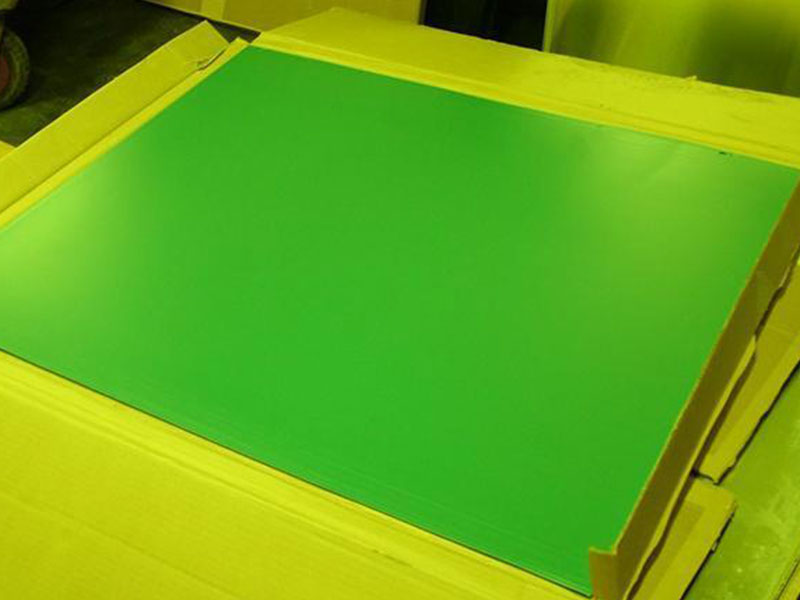
Thermal Ctp Plate Offset CTP Thermal Plate Positive high impression Thermal CTP Plate
In the modern printing industry, the rise of digital technologies has changed the landscape immensely. Among the significant advancements is the use of Thermal Computer-to-Plate (CTP) Plates, predominantly in offset printing processes. Specifically designed for high-quality print applications, Aluminium CTP Plates have become the standard for printers seeking efficiency and precision.
What is a Thermal CTP Plate?
A Thermal CTP Plate is a type of printing plate used in offset printing that undergoes a thermal imaging process. It allows the transfer of image areas directly to the printing surface using heat. What distinguishes the Positive high impression Thermal CTP Plates is their ability to produce clear, repeatable impressions that ensure consistent quality in every print run.
Features and Functions
Functions of Thermal CTP Plates
- Precision Imprinting: Ensures highly accurate imaging that results in sharp texts and vivid images.
- Reduced Waste: Streamlines the prepress stage, minimizing manual intervention, and allowing for immediate proofs.
- High Legibility: Maintains high-production quality due to its consistency and precision during the imaging process.
- Increased Productivity: Faster setup times and continuous production rates make it a time-efficient option for high-demand environments.
- Environmentally Friendly: Thermal plates generally utilize less chemistry, reducing waste disposal needs.
Applications of Thermal CTP Plates
Thermal CTP Plates find applications in multiple fields, including:
- Commercial Printing: Producing high volumes for corporate marketing materials and publications.
- Packaging: Creating intricate designs and patterns in confectionary packaging, labels, etc.
- Publishing: Used in newspapers and magazines where quality and color management are key.
- Decision-Based Print Production: Flexibility in printing adjustments—to quickly shift designs depending on market needs.
Technical Details
Technical Specifications
Thermal CTP Plates are available in various specifications based on their alloy composition and required durability for different print runs. Below is a brief overview of these technical details:
Parameters
| Parameter | Specifications |
|---|---|
| Plate Type | Negative / Positive thermal plate |
| Characteristic | High sensitivity |
| Max Impression Count | 500,000 to 1,000,000 impressions |
| Light Source | Laser diodes |
| Thickness | 0.15 mm to 0.30 mm |
| Basis Weight | 75 - 130 g/m² |
| Chemical Processing Required | Minimal to no processing |
Alloy Composition and Tempering Conditions
The chemical layout of a typical Thermal CTP Plate can significantly affect its performance. The engineering choices impact durability, print quality and overall lifespan. The table below shows the chemical composition:
Chemical Composition
| Element | Composition (%) |
|---|---|
| Aluminum | 90-95% |
| Magnesium | 1-4% |
| Silicon | 0.5-1% |
| Manganese | 0.2-1% |
| Copper | 0-0.5% |
| Iron | 0-0.5% |
Implementation Standards
The implementation of Thermal CTP Plates is guided by industry and environmental standards. The prevailing regulations ensure quality conformity, maintaining both safety and efficiency:
- ISO 12647: Standard for color print condition or densitometry in color printing within a set spectrum.
- GRACoL® G7®: Aim for process control by tightening production tolerances across the board.
The Plate Production Process
- Plate Preparation: Plates are pre-cleaned & laminated.
- Ctp Imaging: A laser hits the coated plate, creating latent images.
- Development Phase: Offsetting mill, minimum chemistry.
- Printing: The plate is assembled onto printing machines.
Quality Assurance
Regular testing is performed throughout production stages to ensure compliance with quality standards. Historical consumables assessment alongside current instruments reinforces an ability to reinvent production sequences coast-effectively.