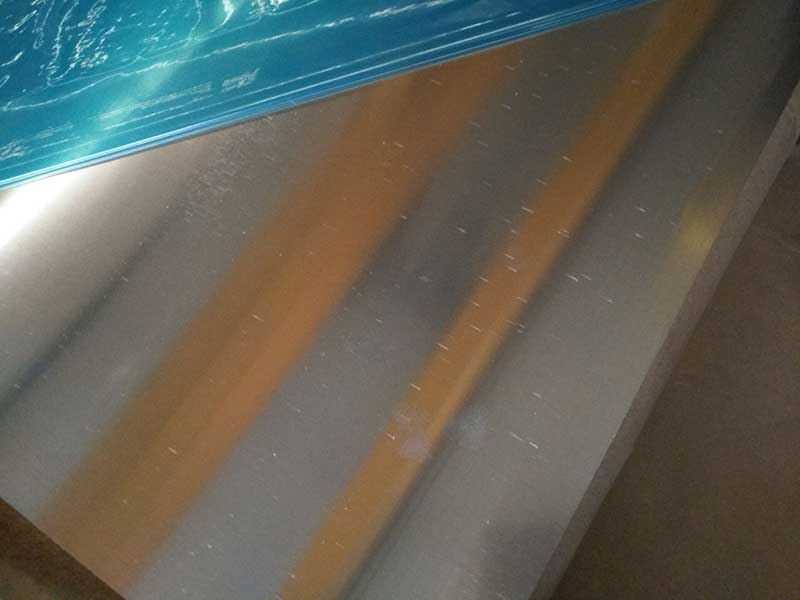
2mm 3mm 4mm Aluminum Sheet Metal
Aluminum sheets are vital components in various industries due to their lightweight, durability, and resistance to corrosion. It’s expressly functional across multiple applications, be it in construction, automotive design, packaging, or manufacturing.
Aluminum Sheet Metal Clarity in Diameter
When we talk about the thickness of aluminum sheets — broadly categorized as 2mm, 3mm, and 4mm — we must recognize that this dimension serves as a baseline for the material's mechanical attributes and versatility in manufacturing. For context:
2mm aluminum sheets offer a balance of strength and weight, making them ideal for applications needing modest structural integrity without significant heft. Think custom sign-making or thin-walled enclosures for sensitive electronics.
3mm aluminum sheets enhance structural capacity while minimizing deformation risks. At this thickness, they excel in consumer product designs such as storage solutions (toolboxes, portable carts) and transportation (automotive components lightweighting).
4mm aluminum sheets cater to requirements in framing, cabinet making, and heavy-duty components. Their stiffness permits greater force bearing, being favored in sectors like railway and infrastructure applications.
Alloy Tempertures and Chemical Properties
Aluminum's tenacity and usability are defined in part by the off various alloys and their tempering processes. Below is an explicitly ranked partition about alloys commonly utilized in 2mm, 3mm, and 4mm sheets made of aluminum.
Common Aluminum Alloys
| Alloy Series | Primary Elements | Attributes |
|---|---|---|
| 1000 | ≥99% Aluminum | High corrosion resistance, excellent workability |
| 3000 | Manganese | Good corrosion resistance, intermediate strength |
| 5000 | Magnesium | Mildly high strength and welding capability |
| 6061 | Magn., Silicon | Good strength-to-weight ratio, mechanical properties |
| 7075 | Zinc | High strength and mechanical yield, lower corrosion resistance |
Tempering Specifications
Aluminum tempering gives metal its flexibility to face physical stress as heat forged or cooled. The major tempering states applicable to the discussed materials include:
| Temper Designation | Characteristics | Description ||--------------------|----------------[G|----------------------|| O (Annealed) | Softened | Circumvents internal stresses, manufactured in soft form its best use is for forming || H (Strain–hardened) | Hardening | Allows milder steel properties || T (Thermal Treatment) | Tempered | Significant mechanical strength, ideal for tensile application.|
Implementation Standards
The production and application of aluminum sheets typically follow stringent standards, ensuring reliability and safety across various industries. In the U.S. territory, the significant standard labels to familiarize yourself with are:
- ASTM B209 : This is a widely accepted specification that delineates the standards for Aluminum and Aluminum-Alloy Sheet and Plate for general applications.
- ISO 13696: These sessions regulate aluminum alloys for machined products which some nonetheless synthesize sheet materials.
- EN 485: A European standard employed primarily in architectural applications to ensure quality and specification supplies within the usage ramparts of the many accrued reactions.
https://www.al-sale.com/a/2mm-3mm-4mm-aluminum-sheet-metal.html